If a deadbolt installation feels daunting, a practical approach and a licensed locksmith can make the difference between a flimsy fix and a secure entrance. I write from years of hands-on locksmith work and frequent house calls, and this guide collects the practical judgment I use every day. professional deadbolt installation are often faster https://smartlockscgl774.iamarrows.com/auto-unlock-specialists-fast-response and more reliable than the DIY route for most people. If you want practical steps and realistic costs, the sections below cover selection, installation, and maintenance.
Choosing the right deadbolt for your door.
Don't pick a deadbolt by brand alone; focus on compatibility with your door and frame. Residential deadbolts typically come in single-cylinder and double-cylinder styles, and each has practical pros and cons. When budget matters, a Grade 2 deadbolt is a reasonable middle ground for most houses.

A common mistake is ordering a lock that doesn't match the existing bore or backset, which forces extra carpentry later. If your door is thicker than standard, plan for an extended spindle or special latch; if the backset doesn't match, a pocket-mortise or plate will be needed.
Preparing the door and jamb before fitting.
Before any hardware is installed, examine the door, jamb, hinges, and strike plate so the lock can function properly for years. I always tighten hinge screws and replace at least one with a 3-inch structural screw to pull the jamb into the stud when the door has any sag. A reinforced strike plate with 3-inch screws makes the single biggest difference to resisting forced entry, so plan that upgrade if you can.
If you have a pre-drilled door, test-fit the latch and deadbolt assembly for alignment before final installation. If you hear a metallic scrape while cycling the bolt, stop and trace the contact area rather than forcing the lock.
The sequence I follow on standard installs.
Following a tested order avoids coming back to correct alignment problems after the lock is tightened. Place the deadbolt at a comfortable height for users and coordinate with existing knobs or levers to avoid awkward spacing. I always back the door with scrap wood when drilling to prevent tear-out on the interior face.
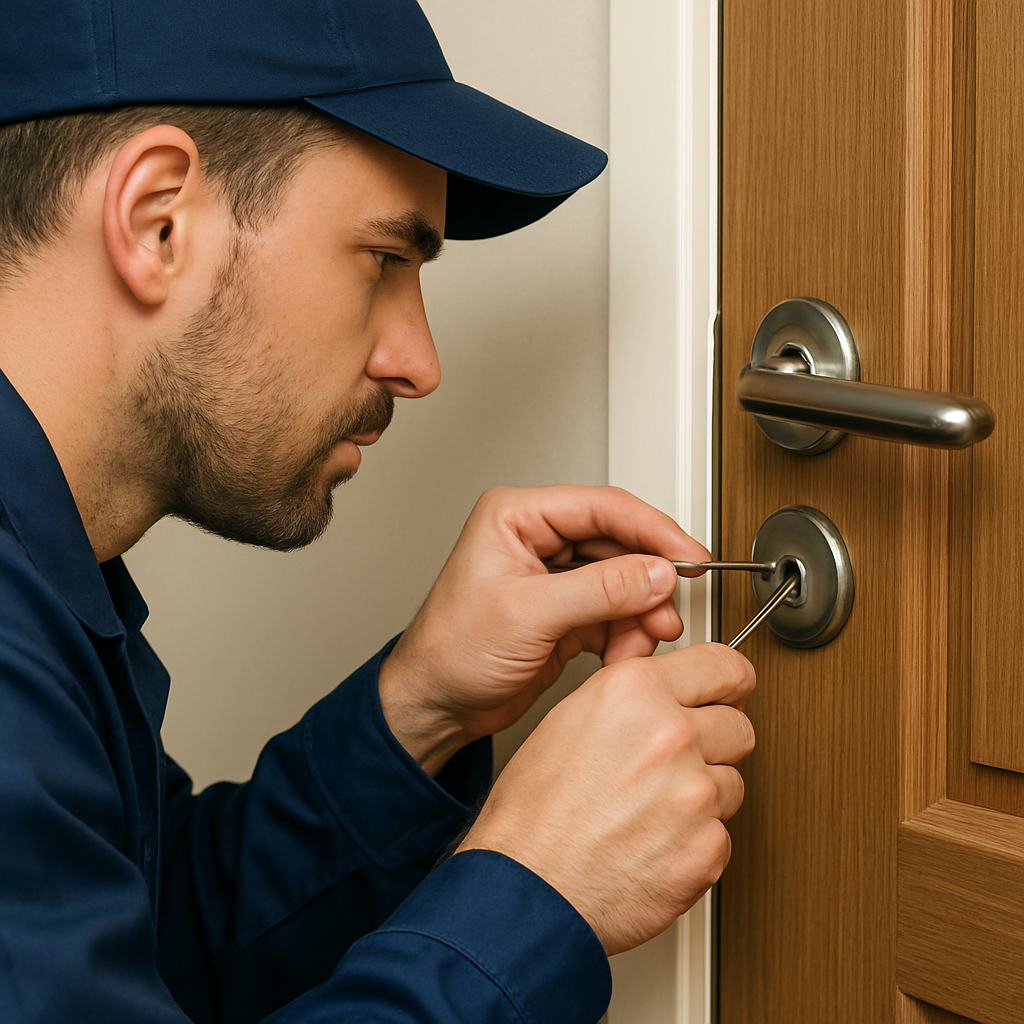
A chisel and patience win here; if you undercut the mortise the plate will sit proud and the bolt will drag. Those long screws transfer load to the frame, which is the point of strengthening the assembly against forced entry.
Cylinder choice and keys - balancing convenience and security.
If you expect to move homes or have frequent tenant turnover, pick a cylinder that is easy to rekey or consider a master keyed system. A rekeyable cylinder saves money over time if you change tenants, lose keys, or want to reduce the number of physical keys in circulation. Match the cylinder's protection level to your neighborhood and to the value you place on the door's security.
Smart deadbolts and electronic options - worth it or overkill?
Electronics can bring convenience like remote access and activity logs, but every added feature increases failure modes. Make sure any electronic deadbolt you pick has a robust mechanical override and clear battery replacement instructions so you are never locked out if the electronics fail. I've rescinded plans to add electronics until the physical door operation is perfect, because software cannot fix a warped frame.
Costs, timelines, and when to call a pro.
When the jamb needs reinforcement or the door needs trimming, plan on additional labor. Expect cost variations: the lock itself can range from about $40 for a basic Grade 3 unit to several hundred for Grade 1 or smart models, plus labor if you hire a locksmith. If you lack experience with door carpentry or if the entry is a main exterior access, professional installation reduces callbacks.
Repairing frequent installation errors.
A door that looks fine until someone leans on it is typically held together by cosmetic fixes that fail under stress. If the bolt is hitting the strike at an angle, I adjust the strike vertically or deepen the pocket incrementally until the bolt moves freely. Rekey mistakes are also common when previous owners left multiple key blanks in circulation, so I recommend rekeying or replacing cores when you move into a new home.
Maintenance and simple checks that extend lock life.
A few minutes of preventive maintenance keeps a lock smooth and avoids emergency calls. If a key becomes stiff, stop forcing it and clean the keyway or consult a locksmith before the cylinder is damaged. If you hear grinding or notice keys that wiggle excessively, consider cylinder replacement sooner rather than later, because those are early signs of internal wear.
When to upgrade the whole system versus replacing a single deadbolt.
Sometimes a single deadbolt replacement is enough, and sometimes the entire door hardware set needs an upgrade, depending on age and condition. Investing in a multi-point lock or a heavy strike package is worthwhile where break-in risk or property value justify the expense. Document every key change and keep a labeled key inventory so future locksmiths can maintain the system efficiently.
Final testing and what a good installer guarantees.
I hand the homeowner a test checklist: operate the bolt from inside and outside, test keys, check alignment when the door is latched, and cycle the lock several times. A reputable locksmith will offer a limited labor warranty and show the hardware grade to document the work. A trade pro will show you the strike reinforcement and explain why they chose a cylinder and not just hand you a generic lock.
Locksmith in Orlando, Florida: If you’re looking for a reliable locksmith in Orlando, FL, our company is here to help with certified and trustworthy locksmith services designed to fit your needs.
Locksmith Orlando | Locksmith Unit
- Address: 3725 Conroy Rd, Orlando, FL 32839, United States
- Phone: +1 407-267-5817
- Hours: Open 24 hours
- Website: locksmithunit.com
- Contact Us: Contact Locksmith Unit Orlando, FL
- About Us: About Locksmith Unit Orlando, FL
Connect with us
- Google Business Profile: Locksmith Orlando | Locksmith Unit on Google Maps
- Facebook: Locksmith Orlando | Locksmith Unit on Facebook
- Instagram: Locksmith Orlando | Locksmith Unit on Instagram
- YouTube: Locksmith Orlando | Locksmith Unit on YouTube
- TikTok: Locksmith Orlando | Locksmith Unit on TikTok
- X (Twitter): Locksmith Orlando | Locksmith Unit on X (Twitter)
- LinkedIn: Locksmith Orlando | Locksmith Unit on LinkedIn
- Pinterest: Locksmith Orlando | Locksmith Unit on Pinterest
- Threads: Locksmith Orlando | Locksmith Unit on Threads
- Blogger: Locksmith Orlando | Locksmith Unit on Blogger
- Tumblr: Locksmith Orlando | Locksmith Unit on Tumblr
- Bluesky: Locksmith Orlando | Locksmith Unit on Bluesky
- Band: Locksmith Orlando | Locksmith Unit on Band
- VK: Locksmith Orlando | Locksmith Unit on VK
- Yelp: Locksmith Orlando | Locksmith Unit on Yelp
Worldwide Brand Profiles
- Medium: Locksmith Unit on Medium
- Instapaper: Locksmith Unit on Instapaper
- Diigo: Locksmith Unit on Diigo